

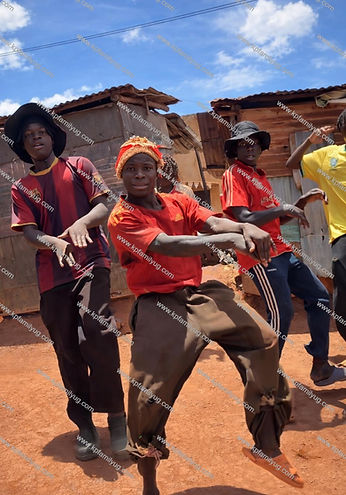


Music & Dance
Talent development is a central part of life at Galaxy Foundation 256.
Why We Focus on Talent Development
Music and dance have become central parts of our foundation because they allow us to connect with people around the world while also helping the children develop valuable life skills.
In the early years, many of our leaders were not financially stable, so we also saw music and dance as a potential income-generating activity that could help sustain the foundation.
Building Confidence and Mental Strength
Participation in music and dance helps the children grow emotionally and mentally.
Performing in front of audiences encourages them to develop self-confidence, courage, and resilience. These experiences prepare them for a future where confidence and determination are essential.
Preventing Life on the Streets
Another major benefit of music and dance is that it keeps the children actively engaged.
From my research and observations, many children end up on the streets simply because they have too much free time and no structured activities. By keeping the children busy with practice, training, and performances, we help them stay focused and avoid harmful environments.
Real Changes We See in the Children
When children first arrive at the foundation, many feel hopeless about their future.
However, when they begin performing and people from around the world show them encouragement and support, their outlook begins to change. They start believing that they have opportunities ahead of them.
Sometimes one child’s performance becomes popular online, which inspires the others. Seeing one of their friends succeed helps them believe that they can also achieve something meaningful. This creates powerful growth in self-confidence, ambition, and hope.
Encouragement from supporters gives the children confidence to continue.
But dance alone cannot build a life, see next...